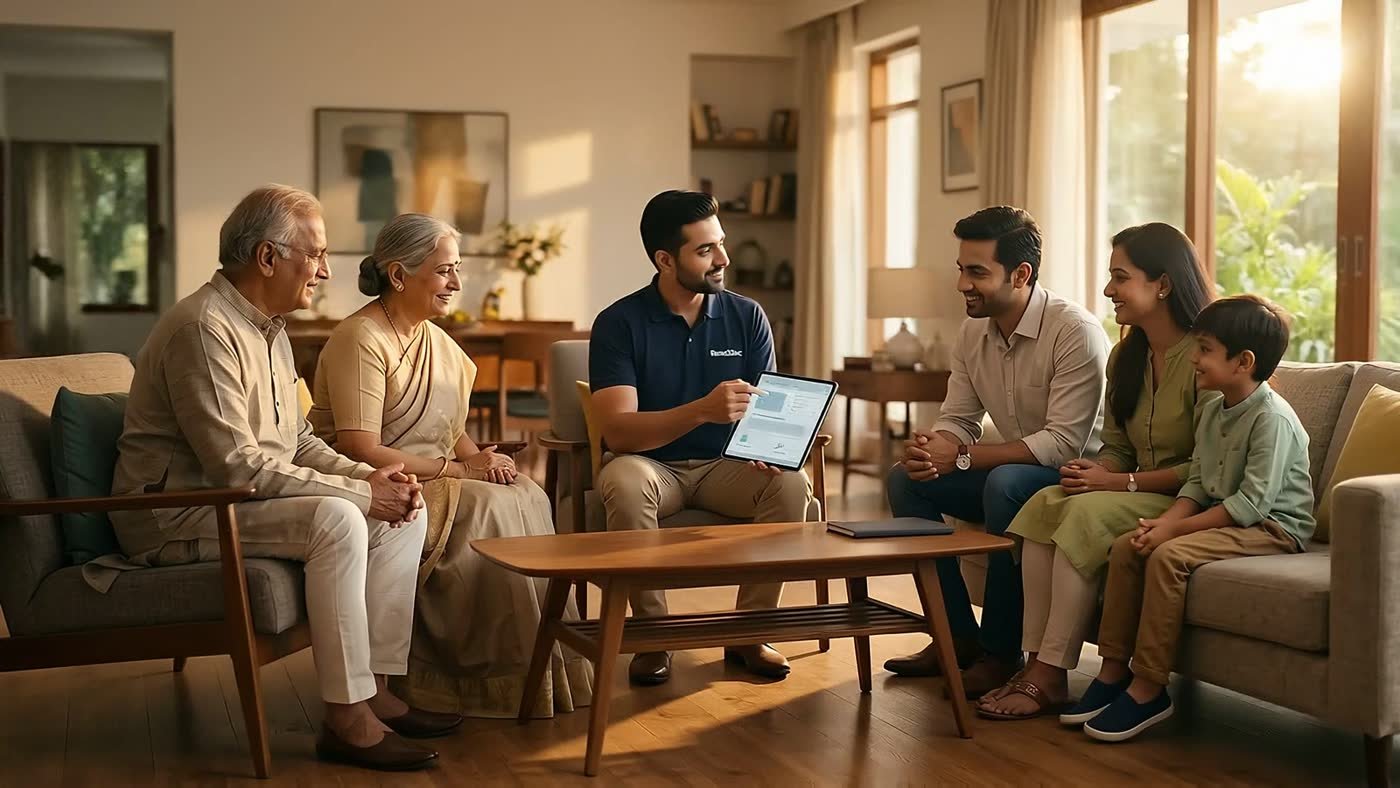
Shops & showrooms
High-street and mall units, including signage rights and permitted-use clauses.
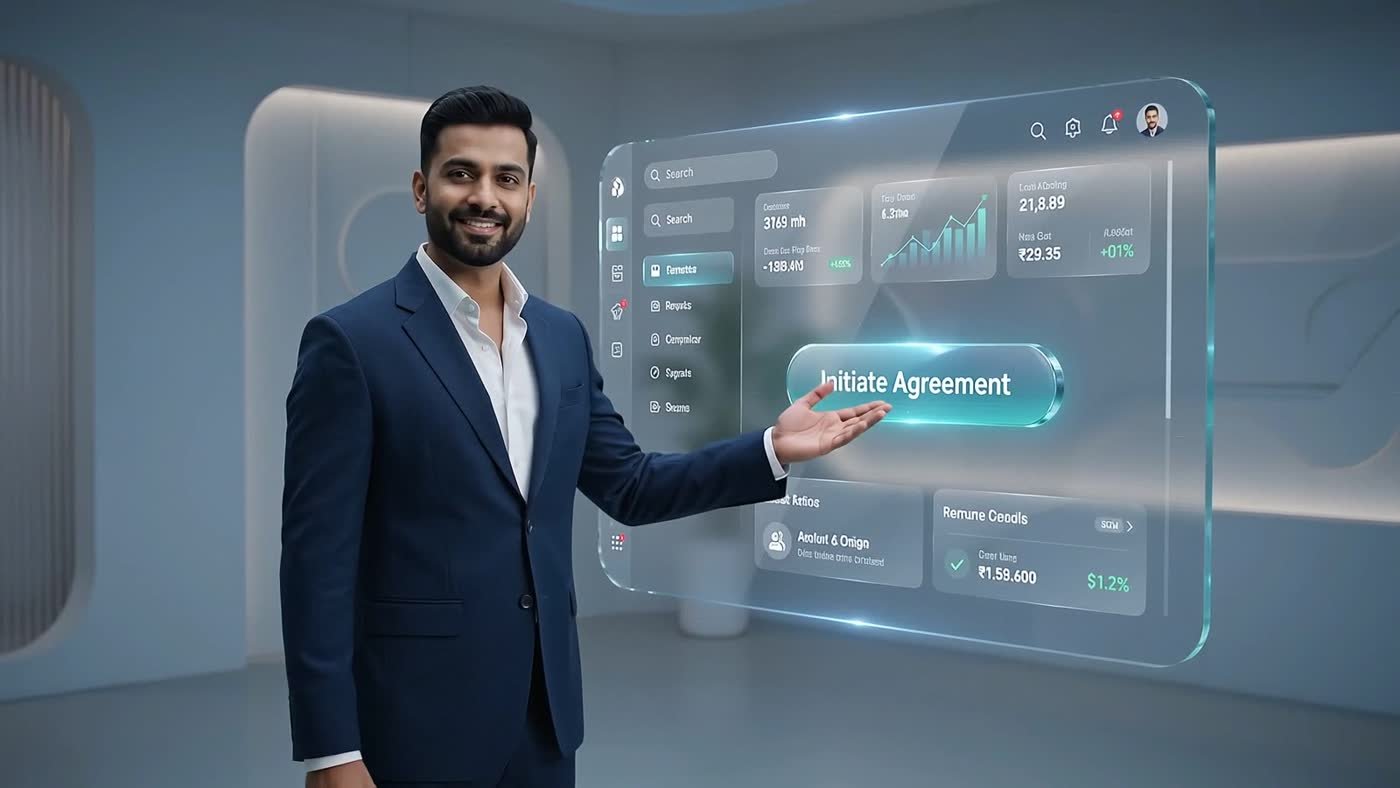
Shops, offices, godowns, clinics and salons. Commercial tenancies carry risks a residential template was never written for — lock-in, escalation, fit-out, exclusivity and exit. We write those clauses in.
Answer three things — we reply on WhatsApp.
The money at stake in a commercial licence is usually larger, the term is usually longer, and the tenant is usually spending real capital on fit-out before they open. Every one of those facts creates a clause a residential template does not have.
We have seen agreements where a tenant put four lakh into a shop interior with no protection against a six-month exit, and agreements where a landlord had no escalation clause across a five-year term. Both were avoidable in a paragraph.
High-street and mall units, including signage rights and permitted-use clauses.
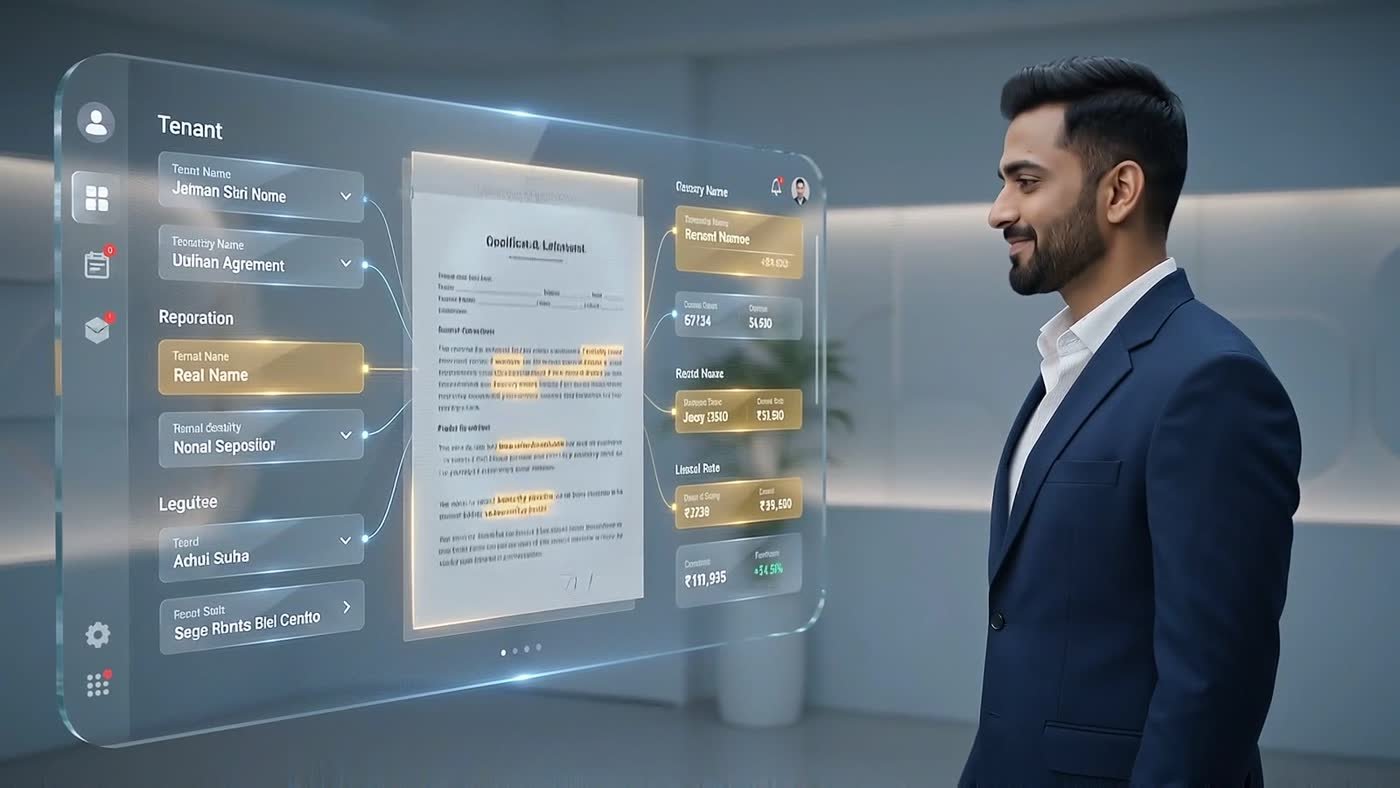
Private cabins, full floors and managed office arrangements with fit-out schedules.
Storage premises with access hours, load limits and insurance responsibility spelled out.
Premises with regulatory approvals attached, where permitted use must be drafted precisely.
Tell us the premises, the term and the lock-in — we will flag anything in the structure that will cost you later, then quote.
To draft and register a Leave and Licence agreement we necessarily handle sensitive personal data: names, Aadhaar and PAN details, addresses, property particulars, biometric data captured on a government-approved device, and the WhatsApp number or email you contact us on.
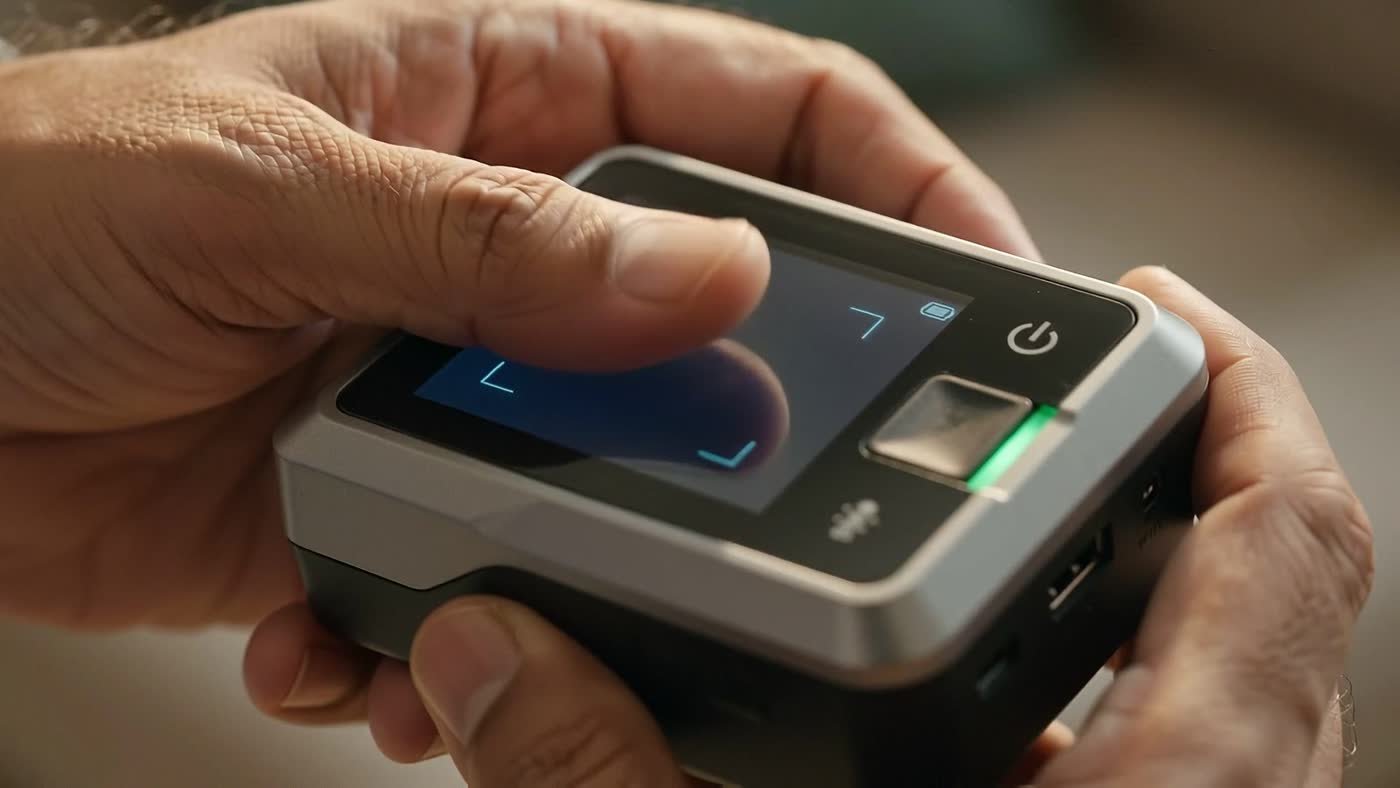
Fingerprint and iris data captured during the doorstep visit is transmitted directly to the government e-registration system through the approved device. RentODoc does not retain a copy of your biometric template, and it is never used for any purpose other than the registration you asked for.
Only with the Department of Registration and Stamps, Government of Maharashtra, and with the other party to your agreement to the extent the document itself discloses it. We do not sell, rent, trade or share your data with marketers, brokers, lenders or any third party for their own purposes.
Draft files and registration acknowledgements are retained for as long as an authorised service provider is required to keep them, and then deleted. You may ask us to delete anything held beyond that period.
Write to rentodoc@gmail.com to ask what we hold about you, to correct it, or to ask for deletion where we are not legally required to keep it. We respond within seven working days.
RentODoc provides drafting, doorstep Aadhaar biometric capture and e-registration facilitation for Leave and Licence agreements in Maharashtra. We act as a service provider. We are not a law firm and nothing on this website is legal advice.
Stamp duty, registration fee and document handling charges are set by the Government of Maharashtra and are collected on the government’s behalf. They are not our fee. Figures shown by the calculator on this site are estimates produced from the numbers you enter and are not a demand or an assessment.
Drafting timelines start from the moment complete and confirmed particulars reach us. Registration timelines depend on the government portal being available and on both parties completing biometrics. We keep you informed and we do not charge for a delay caused at our end.
You may cancel before the biometric appointment and any amount collected against government charges is returned in full. Once a document has been submitted for registration, government charges are no longer recoverable.
Our liability in any matter is limited to the service fee you paid us for that matter. We are not liable for disputes between licensor and licensee, for the commercial terms you agreed, or for consequences of information you gave us that turned out to be incorrect.
Cancel at any point before the appointment and any amount you have paid towards government charges is refunded in full. Where drafting work has already been done, our drafting fee is retained; everything else is returned.
Government charges are refundable if the document has not yet been submitted to the registration portal. Our service fee for the visit is retained.
Once a document has gone into the government e-registration system, stamp duty and registration fee are paid to the Government of Maharashtra and are outside our control. Refund of government charges in that situation is governed by the Department’s own procedure, and we will help you file that application, but we cannot refund those amounts ourselves.
If a registered document contains an error that originated with us, we correct and re-execute it at our own cost, including any fresh government charges arising from our mistake.
To the original payment method within seven working days of approval. Write to rentodoc@gmail.com with your acknowledgement number to start a request.
The guides, calculators and checklists on this site are provided to help you understand a process that is genuinely confusing. They are general information. They are not legal advice and they do not create a lawyer–client relationship. Where the stakes are high — a long lock-in, a large deposit, a commercial tenancy, a disputed title — take advice from an advocate.
The stamp duty calculator applies Article 36A of the Maharashtra Stamp Act to the figures you enter. Rates, registration fees and document handling charges are set by government and change from time to time. An estimate produced here is not an assessment and is not binding on the Department of Registration and Stamps or on us. Your final figure is confirmed in writing before anything is paid.
Tenant police verification is submitted to and decided by the police authority concerned. We prepare and help you file it correctly. We do not influence, guarantee or control the outcome or the time it takes.
Where we link to a government portal, the content there belongs to that authority. We are not responsible for it and it may change without notice.
The only contact numbers and email addresses we use are the ones published on this website. If someone contacts you claiming to be from RentODoc from a different number, verify with us on 022 4151 3020 or +91 98705 48275 before sending money or documents.

Hi! Most people who land here are trying to work out what their agreement will cost and how soon it can be done. Tell me two things and I’ll send you an exact figure on WhatsApp — no call-back chasing.